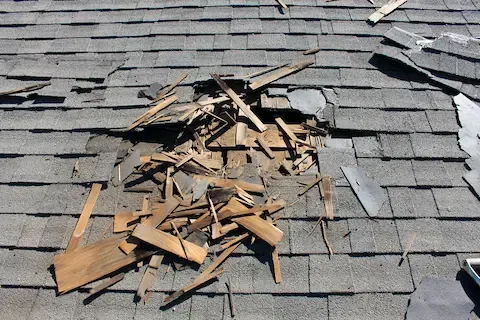
Storm Damage Roof Repair in Jonesboro AR Explained
Spring storms in Northeast Arkansas bring powerful winds, large hail, and occasional tornadoes that can devastate residential roofing systems. When severe weather strikes Jonesboro and surrounding communities, homeowners face immediate decisions about safety, damage assessment, and repair coordination. Understanding the storm damage repair process helps you respond effectively when nature tests your home's first line of defense.
Common Types of Storm Damage in Northeast Arkansas
Arkansas experiences diverse weather patterns that create multiple threats to roofing systems throughout the year. Straight-line winds exceeding 60 mph can lift shingles, tear off flashing, and drive debris into roofing materials. These sustained winds often accompany thunderstorms that move through the Mississippi River Valley during spring and early summer months.
Hail damage represents one of the most destructive forces affecting Jonesboro area roofs. Hailstones ranging from marble-size to golf ball-size create granule loss on asphalt shingles, crack clay tiles, and dent metal roofing components. Large hail events can compromise the protective granule layer that shields asphalt from UV radiation, accelerating the aging process and reducing the roof's effective lifespan.
Tornado activity poses the most severe threat to roofing systems in Northeast Arkansas. The region sits within Tornado Alley's eastern edge, experiencing an average of 15-20 tornadoes annually across Craighead County. Even weak EF0 and EF1 tornadoes generate winds between 65-110 mph, sufficient to remove entire roof sections and scatter debris across neighborhoods.
Tree damage often accompanies severe weather events when high winds uproot mature trees or break large branches. Jonesboro's established neighborhoods feature numerous oak, maple, and pine trees that can fall onto roofing systems during storms. Even smaller branches can puncture shingles or damage gutters when driven by powerful winds.
Immediate Assessment and Safety Protocols
Safety takes priority over property concerns when assessing storm damage to your roof. Never attempt to climb onto a damaged roof structure, as compromised decking or loose materials create fall hazards. Instead, conduct initial assessments from ground level using binoculars to identify obvious damage such as missing shingles, exposed decking, or debris accumulation.
Interior inspections reveal water intrusion patterns that indicate roof damage locations. Check attic spaces for daylight penetration, water stains, or wet insulation that suggests compromised roofing materials. Document any interior damage with photographs, as these images support insurance claims and help contractors understand the extent of storm impact.
Emergency tarping becomes necessary when storm damage creates immediate water intrusion threats. Professional roofing contractors maintain emergency response capabilities, but homeowners can implement temporary measures using heavy-duty tarps, lumber strips, and roofing nails. Secure tarps tightly to prevent wind uplift while covering the entire damaged area plus an additional three feet in all directions.
Utility safety requires immediate attention when storm damage affects electrical or gas connections near roofing components. Contact utility companies to disconnect services if damage threatens electrical meters, gas lines, or service entrance cables. Water intrusion near electrical panels creates electrocution risks that require professional evaluation before restoration begins.
Insurance Claims Process and Documentation
Prompt communication with your insurance carrier initiates the claims process that funds storm damage repairs. Most homeowner policies require notification within reasonable timeframes following storm events, typically 24-72 hours depending on policy terms. Contact your agent or carrier's claim hotline immediately after ensuring family safety and implementing emergency measures.
Comprehensive documentation strengthens insurance claims and expedites settlement processes. Photograph damage from multiple angles, capturing both close-up details and wide-angle context shots. Include reference objects like coins or rulers to demonstrate hail size or damage dimensions. Take pictures of interior damage, temporary repairs, and any personal property affected by water intrusion.
Insurance adjusters schedule property inspections to evaluate damage extent and estimate repair costs. Prepare for this meeting by organizing documentation, creating damage inventories, and ensuring safe adjuster access to all affected areas. Professional roofing contractors often coordinate with adjusters to provide technical expertise during damage assessments.
Claim settlements vary based on policy terms, deductible amounts, and damage severity. Replacement cost coverage provides funds to restore your roof using current material costs, while actual cash value policies deduct depreciation from settlement amounts. Understand your coverage limits and deductible responsibilities before beginning repairs to avoid financial surprises.
Professional Damage Assessment Techniques
Licensed roofing contractors employ systematic inspection methods to identify all storm damage, including subtle issues that untrained observers might miss. Professional assessments begin with comprehensive exterior examinations that catalog visible damage while identifying potential problem areas requiring closer investigation.
Granule loss assessment involves examining asphalt shingles for impact patterns that indicate hail damage. Experienced contractors recognize the difference between normal granule shedding and storm-related loss patterns. They check for exposed mat areas, cracked shingles, and bruising that compromises the shingle's protective qualities.
Flashing and penetration inspections focus on vulnerable roof areas where different materials meet or where components penetrate the roofing system. Storm damage often concentrates around chimneys, vent pipes, skylights, and roof-to-wall transitions where wind uplift and debris impact create failure points.
Structural assessments determine whether storm forces compromised roof decking, trusses, or support systems. Professional contractors evaluate deflection patterns, connection integrity, and load-bearing capacity to identify structural damage that affects repair strategies and safety considerations.
Repair Timeline and Process Coordination
Storm damage repairs follow logical sequences that prioritize structural integrity, weather protection, and aesthetic restoration. Emergency repairs address immediate water intrusion threats, while comprehensive restoration may require several weeks depending on damage extent and material availability.
Material procurement challenges often extend repair timelines following widespread storm events. Popular roofing materials like architectural shingles may experience supply shortages when multiple contractors compete for limited inventory. Professional roofing companies maintain supplier relationships that provide priority access to materials during high-demand periods.
Weather windows significantly impact repair schedules, as roofing work requires dry conditions for proper installation and adhesive curing. Northeast Arkansas weather patterns can delay repairs when additional storms arrive before initial damage restoration completes. Contractors schedule work around weather forecasts while maintaining emergency response capabilities.
Permit requirements vary depending on repair extent and local building codes. Minor repair projects typically don't require permits, while extensive damage that necessitates our roof replacement walkthrough may trigger permit and inspection requirements. Professional contractors handle permit applications and coordinate inspections as part of their service offerings.
Common Repair Mistakes and Pitfalls
Homeowner attempts at temporary repairs often create additional problems when improper techniques cause further damage. Using inappropriate materials, insufficient fastening methods, or inadequate coverage areas can worsen water intrusion problems while complicating professional repairs.
Contractor selection mistakes include choosing based solely on price quotes without verifying licensing, insurance, and local reputation. Storm-chasing contractors often appear after severe weather events, offering low prices but delivering substandard work before leaving the area. Research contractors thoroughly, check references, and verify local business addresses before signing contracts.
Insurance claim mismanagement occurs when homeowners accept initial settlements without fully understanding policy coverage or damage extent. Some damage becomes apparent only after repairs begin, making supplemental claims necessary. Work with contractors experienced in insurance procedures to ensure complete damage documentation and appropriate claim settlements.
Material matching challenges arise when replacement materials don't perfectly match existing roofing components. Age-related color changes, discontinued product lines, and manufacturing variations can create visible differences between new and existing materials. Discuss matching limitations during contractor consultations to set realistic expectations.
Local Weather Patterns and Seasonal Considerations
Jonesboro's location in the Mississippi River Valley creates unique weather challenges that influence storm damage patterns and repair strategies. The region experiences distinct seasonal weather phases that affect storm frequency, damage types, and optimal repair timing.
Spring storm seasons typically begin in March and continue through May, bringing the year's most severe weather threats. This period produces the largest hail events, strongest tornadoes, and most frequent severe thunderstorms. Homeowners should complete pre-season roof inspections and address minor issues before storm season peaks.
Summer weather patterns feature intense heat and humidity that accelerate roofing material degradation while limiting optimal repair windows. High temperatures make roofing work dangerous and can affect material installation procedures. Professional contractors adjust work schedules to avoid peak heat while ensuring proper material performance.
Fall provides optimal repair conditions with moderate temperatures, lower humidity, and reduced storm frequency. This season offers the best opportunities for comprehensive roof restoration projects that require extended work periods. Material availability typically improves as storm season demands decrease.
Winter weather in Northeast Arkansas includes occasional ice storms that create unique damage patterns and repair challenges. Ice accumulation can tear gutters, damage shingles through ice damming, and compromise flashing integrity. Cold temperatures limit material options and installation procedures during winter repair projects.
Working with Local Roofing Professionals
Established Jonesboro roofing contractors understand regional weather patterns, local building codes, and insurance company procedures that affect storm damage repairs. These professionals maintain relationships with local suppliers, understand permit requirements, and coordinate with adjusters familiar with Northeast Arkansas construction practices.
Emergency response capabilities distinguish professional roofing companies that serve storm-prone regions. Reliable contractors maintain 24-hour emergency services, stock emergency materials, and deploy crews rapidly when severe weather strikes. Storm Damage Roof Repair services require immediate availability and systematic response procedures.
Insurance company relationships benefit homeowners when contractors work regularly with major carriers serving the Jonesboro market. Experienced contractors understand documentation requirements, supplement procedures, and communication protocols that expedite claim settlements and reduce homeowner stress during recovery periods.
Local reputation and accountability matter significantly when selecting contractors for storm damage repairs. Established businesses maintain offices, equipment, and staff within the community, providing ongoing service availability and warranty support. Check Better Business Bureau ratings, online reviews, and neighborhood references before making contractor selections.
Long-term Recovery and Prevention Strategies
Storm damage recovery extends beyond immediate repairs to include preventive measures that reduce future vulnerability. Professional contractors recommend upgrades and improvements that strengthen roofing systems against regional weather threats while maintaining aesthetic and functional goals.
Impact-resistant shingles provide enhanced hail protection for homes in storm-prone regions like Northeast Arkansas. These specially designed materials meet UL 2218 Class 4 impact standards and often qualify for insurance premium discounts. While initial costs exceed standard shingles, long-term protection value justifies the investment in high-risk areas.
Proper ventilation systems prevent moisture buildup that can compromise roofing materials and create secondary damage following storm events. Balanced intake and exhaust ventilation maintains optimal attic conditions while reducing ice dam formation during winter weather. Professional contractors evaluate ventilation adequacy during storm damage assessments.
Regular maintenance programs identify and address minor issues before they become major problems during storm events. Annual inspections, prompt repair of loose materials, and proactive replacement of aged components strengthen roofing systems against weather challenges. Maintenance investments prove cost-effective compared to storm damage repair expenses.
When severe weather threatens your Jonesboro home's roofing system, quick action and professional expertise determine recovery success. Understanding storm damage types, insurance procedures, and repair processes helps you navigate challenging situations while protecting your family's shelter investment. Partner with experienced local contractors who understand Northeast Arkansas weather patterns and maintain the emergency response capabilities your home deserves.
