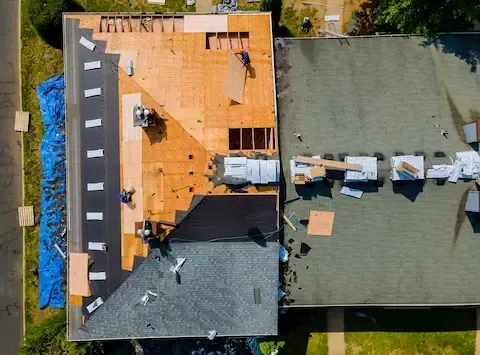
Roof Replacement in Jonesboro AR: A Complete Walkthrough
Replacing your roof represents one of the most significant home improvement investments you'll make as a Jonesboro homeowner. The process involves careful planning, material selection, and coordination with qualified contractors to ensure your home remains protected against Northeast Arkansas weather conditions. Understanding each phase of roof replacement helps you make informed decisions and avoid costly mistakes that could affect your home's value and safety.
Understanding Roof Replacement Fundamentals
Roof replacement differs substantially from simple repairs, involving complete removal of existing materials down to the decking and installation of entirely new roofing systems. This comprehensive approach addresses underlying structural issues, improves energy efficiency, and provides long-term protection for your Jonesboro home. The process typically spans several days to weeks, depending on roof complexity, weather conditions, and material availability.
Most Jonesboro homeowners consider roof replacement when their current system reaches 15-25 years of age, shows extensive damage from storms, or exhibits multiple leak points that make repairs uneconomical. Signs indicating replacement necessity include missing or damaged shingles, granule loss, sagging areas, daylight visible through roof boards, and repeated water intrusion despite repair attempts.
The replacement process begins with thorough inspection and assessment, followed by material selection, permit acquisition, contractor selection, and systematic removal and installation phases. Each step requires careful attention to detail and coordination with local building codes specific to Craighead County requirements.
Material Selection and Options
Choosing appropriate roofing materials significantly impacts both immediate costs and long-term performance in Northeast Arkansas climate conditions. Asphalt shingles remain the most popular choice among Jonesboro homeowners due to their balance of affordability, durability, and aesthetic versatility. Architectural shingles offer enhanced curb appeal and longer warranties compared to basic three-tab options.
Metal roofing systems provide superior longevity and energy efficiency, particularly beneficial during hot Arkansas summers. Standing seam and corrugated metal options resist wind damage and reflect solar heat, potentially reducing cooling costs. However, initial installation costs typically exceed asphalt alternatives by 50-100 percent.
Slate and tile materials offer exceptional durability and distinctive appearance but require specialized installation expertise and structural reinforcement due to increased weight. These premium options work well for historic Jonesboro properties or homeowners seeking maximum longevity despite higher upfront investment.
Synthetic materials, including composite shingles and rubber roofing, provide middle-ground solutions combining durability with moderate pricing. These engineered products often include enhanced weather resistance and impact protection valuable in storm-prone regions like Northeast Arkansas.
Cost Factors and Budget Planning
Roof replacement costs in Jonesboro vary significantly based on roof size, material selection, structural complexity, and current market conditions. Basic asphalt shingle replacement typically ranges from $8,000 to $15,000 for average-sized homes, while premium materials and complex roof designs can push costs to $25,000 or higher.
Labor costs represent 60-70 percent of total project expenses, making contractor selection crucial for budget management. Local labor rates in Northeast Arkansas generally fall below national averages, providing some cost advantage for Jonesboro homeowners compared to metropolitan markets.
Additional cost factors include permit fees, disposal costs for existing materials, structural repairs discovered during tear-off, and necessary upgrades to meet current building codes. Budget planning should include 10-20 percent contingency funds for unexpected issues commonly uncovered during removal phases.
Financing options include home equity loans, personal loans, manufacturer financing programs, and contractor payment plans. Some roofing companies offer special financing terms for qualified customers, making major roof replacement projects more accessible for budget-conscious homeowners.
Insurance coverage may offset replacement costs when damage results from covered perils like hail, wind, or storm damage. Working with Roof Replacement specialists familiar with insurance claim processes can maximize coverage benefits and reduce out-of-pocket expenses.
Permit Requirements and Code Compliance
Roof replacement projects in Jonesboro require building permits from the City of Jonesboro Building Department before work begins. Permit applications must include detailed plans, material specifications, and contractor licensing information. Processing typically takes 3-5 business days, though complex projects may require additional review time.
Current building codes mandate specific requirements for wind resistance, fire ratings, and installation methods based on local weather patterns and safety standards. Northeast Arkansas building codes emphasize wind resistance due to severe weather frequency and require proper fastening patterns, underlayment installation, and flashing details.
Inspection requirements include initial approval before material installation and final inspection upon project completion. Failed inspections require corrections before approval, potentially delaying project completion and increasing costs. Working with experienced local contractors familiar with Craighead County requirements minimizes inspection delays.
Code compliance extends beyond basic installation requirements to include proper ventilation, insulation coordination, and compatibility with existing structural systems. Modern codes often require upgrades to bring older homes into compliance with current safety and energy efficiency standards.
Contractor Selection and Project Management
Selecting qualified roofing contractors represents the most critical decision in the replacement process. Licensed, insured contractors with established local presence provide greater accountability and warranty support compared to traveling crews or unlicensed operators. Verify licensing through Arkansas Contractor Licensing Board and confirm insurance coverage includes both liability and workers compensation protection.
Request detailed written estimates from multiple contractors, comparing not only pricing but also material specifications, warranty terms, and project timelines. Quality contractors provide comprehensive estimates addressing all project phases, potential complications, and cleanup procedures.
Check references from recent Jonesboro customers and inspect completed projects when possible. Online reviews provide additional insights but should be balanced with direct customer feedback and Better Business Bureau ratings. Local contractor associations often provide member directories and complaint resolution services.
Project management involves coordinating material deliveries, weather delays, and daily work schedules. Establish clear communication protocols and progress reporting procedures with your selected contractor. Document all agreements in writing and maintain detailed records of payments, change orders, and completion milestones.
Installation Process and Timeline
Professional roof replacement follows systematic phases designed to minimize weather exposure and ensure quality installation. Initial preparation includes protecting landscaping, removing outdoor furniture, and securing loose items around the property. Material delivery typically occurs 1-2 days before installation begins, weather permitting.
Tear-off phase involves complete removal of existing roofing materials, inspection of underlying decking, and replacement of damaged structural components. This phase generates significant debris requiring proper disposal and cleanup. Quality contractors use tarps and magnetic tools to protect property and collect debris efficiently.
Installation begins with underlayment application, followed by drip edge, flashing installation around penetrations and valleys, and systematic shingle installation from bottom to peak. Each phase requires specific techniques and quality control measures to ensure weather-tight performance.
Timeline varies based on roof complexity, weather conditions, and crew size. Simple ranch-style homes may be completed in 2-3 days, while complex multi-story structures require 5-7 days or longer. Weather delays are common in Northeast Arkansas due to seasonal storm patterns and should be anticipated in project planning.
Final cleanup includes thorough debris removal, magnetic sweeps for loose nails, and property restoration. Quality contractors perform final walkthrough inspections and address any concerns before project completion and final payment.
Weather Considerations and Timing
Northeast Arkansas weather patterns significantly influence roof replacement timing and project success. Spring and fall generally provide optimal conditions with moderate temperatures and reduced storm activity. Summer installations face extreme heat challenges that can affect material performance and worker safety.
Winter installations present unique challenges including temperature restrictions for some materials, shorter daylight hours, and increased weather delay risks. However, emergency replacements may necessitate winter work despite challenging conditions.
Storm damage creates seasonal demand spikes that can affect contractor availability and pricing. Planning non-emergency replacements during off-peak periods often provides better contractor selection and potentially lower costs.
Weather monitoring becomes crucial during active projects. Modern weather tracking helps contractors make informed decisions about daily work schedules and temporary protection measures. Quality contractors maintain emergency protocols for sudden weather changes and provide temporary protection when necessary.
Common Mistakes and How to Avoid Them
Many Jonesboro homeowners underestimate the complexity of roof replacement decisions, leading to costly mistakes that affect long-term satisfaction and home value. Choosing contractors based solely on price often results in substandard workmanship, inadequate warranties, and future repair needs that exceed initial savings.
Inadequate material research leads to poor performance matches with local climate conditions. Selecting inappropriate materials for Northeast Arkansas weather patterns can result in premature failure and unnecessary replacement costs. Understanding material limitations and performance characteristics prevents these expensive mistakes.
Failing to obtain proper permits creates legal complications and potential insurance coverage issues. Unpermitted work may require costly corrections and can complicate future home sales. Always verify permit requirements and ensure compliance with local building codes.
Inadequate preparation for project disruption affects family comfort and property protection. Planning for noise, debris, and temporary inconveniences helps minimize stress and ensures smooth project completion. Communicate expectations clearly with contractors and establish protocols for daily operations.
Ignoring warranty terms and maintenance requirements voids coverage and reduces roof lifespan. Understanding warranty limitations and required maintenance procedures protects your investment and ensures long-term performance.
Long-term Maintenance and Protection
Successful roof replacement extends beyond installation completion to include ongoing maintenance and monitoring programs that maximize system lifespan and performance. Establishing regular inspection schedules helps identify minor issues before they develop into major problems requiring costly repairs or premature replacement.
Annual professional inspections should occur each spring to assess winter damage and prepare for severe weather season. Additional inspections following major storms help document any damage for insurance purposes and ensure continued weather protection.
Preventive maintenance includes gutter cleaning, debris removal, and minor repair attention that preserves roof integrity and prevents water damage. Simple maintenance tasks performed regularly can extend roof lifespan by several years and maintain warranty coverage.
Documentation maintenance includes preserving warranty information, inspection reports, and maintenance records that support warranty claims and provide valuable information for future roofing decisions. Proper documentation also enhances home value during resale and provides transparency for potential buyers.
