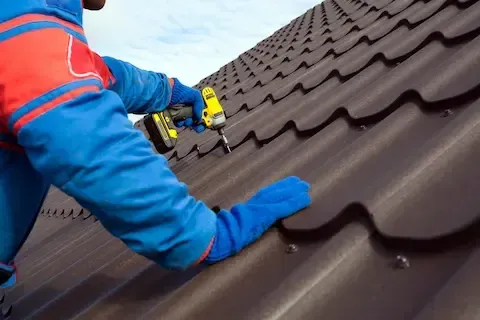
Standing Seam Metal Roofing for Jonesboro AR Homes
If you've been comparing roofing options for your Jonesboro home, you've likely come across the term "standing seam." It sounds technical, but the concept is straightforward: vertical metal panels that lock together at raised seams, with every fastener hidden from view. The result is a clean, modern roofline that holds up exceptionally well against the storms, heat, and humidity that Northeast Arkansas dishes out through every season. Standing seam isn't just a premium aesthetic choice — it's a functional upgrade with measurable performance advantages over exposed-fastener alternatives.
What Makes Standing Seam Different from Other Metal Roofing
Most people who think about metal roofing picture the corrugated or ribbed panels you see on agricultural buildings — the kind with visible screws running in rows across the surface. Those screws do their job, but they create a vulnerability. Over time, the rubber washers beneath each fastener degrade, compress, and crack, opening tiny entry points for water. In Arkansas, where summer storms roll through with little warning and freeze-thaw cycles stress building materials through winter, that's a real long-term liability.
Standing seam eliminates that problem entirely. The panels are fastened using concealed clips that attach to the structural deck beneath the panel surface. The seams — those raised ridges running vertically down your roof — snap or mechanically lock together over those clips. No exposed hardware. No rubber washers to fail. The entire fastening system sits protected under the weather surface of the roof itself.
This design also allows the panels to expand and contract with temperature changes without warping or loosening. In Jonesboro, where summer temperatures regularly push past 95 degrees and winter nights can drop below freezing, thermal movement is a real factor. Standing seam handles it naturally.
Panel Profiles and Material Options
Standing seam panels come in several profile heights and widths, and the right choice depends on your roof pitch, architectural style, and budget. Common seam heights range from about one inch to two inches, with taller seams offering more rigidity and water shedding on lower-pitched roofs. Panel widths typically run between 12 and 18 inches, with narrower panels giving a more refined look and wider panels covering ground faster during installation.
Material options for standing seam panels include:
- Galvalume steel: The most common choice for residential roofing in the region, offering a strong balance of cost, durability, and corrosion resistance
- Aluminum: Lighter than steel and naturally rust-resistant, a solid option for homes in lower-pitch applications
- Zinc: A premium option with a distinctive patina and exceptional longevity, though at a higher price point
- Copper: The top of the range in terms of beauty and lifespan, typically reserved for architectural accents rather than full roof coverage
For most Jonesboro homeowners, Galvalume steel with a factory-applied Kynar or PVDF paint finish represents the sweet spot — durable, visually appealing, available in a wide range of colors, and backed by long-term manufacturer warranties on both the substrate and the coating.
How Standing Seam Performs in Northeast Arkansas Conditions
Northeast Arkansas presents a demanding climate for roofing materials. Summers bring intense UV exposure, high humidity, and thunderstorm activity including hail and high winds. Winters occasionally deliver ice, and the spring transition can mean rapid temperature swings within a single day. Understanding how standing seam handles each of these conditions helps explain its growing popularity in the Jonesboro area.
For wind resistance, standing seam panels outperform most alternatives because the concealed clip system holds the panel along its entire length, not just at individual screw points. This distributes uplift forces more evenly. Quality standing seam systems are tested and rated for wind speeds well above what even significant Arkansas storms typically produce.
For hail, metal panels — especially those with a 26-gauge or heavier thickness — resist denting better than asphalt shingles and don't crack or shatter the way some tile products do. Many insurance carriers recognize this and offer premium discounts for metal roofing installations. It's worth confirming with your specific carrier before committing to a purchase, but savings on annual premiums can meaningfully offset some of the upfront cost difference.
For heat management, metal roofing with reflective coatings can reduce solar heat gain, which is particularly valuable in Jonesboro's long, hot summers. Some homeowners notice measurable differences in attic temperatures and cooling costs after switching from dark asphalt shingles to a light-colored metal roof. The energy benefit depends heavily on attic insulation levels and ventilation, so it shouldn't be treated as a guaranteed outcome — but the potential is real.
If you want to dig deeper into how metal performs across NEA's seasonal conditions, the metal roof performance in NEA breakdown covers the climate specifics in more detail.
Installation Considerations Unique to Standing Seam
Standing seam is not a beginner-level installation. The panel locking and seaming process requires specific tools — mechanical seamers for snap-lock systems, or hand seamers for field-locked profiles — and crews who understand how to account for thermal expansion at the clip stage. Mistakes made during installation can void manufacturer warranties and, more importantly, create the exact leak points the design is meant to eliminate.
When vetting contractors in Jonesboro, ask specifically about their standing seam experience and whether they carry manufacturer certification. Some panel manufacturers, including Drexel Metals and Metal Sales, offer contractor certification programs that require documented training and installation volume before a contractor can offer the full product warranty. That's a meaningful differentiator when comparing quotes.
Roof deck preparation also matters. Standing seam performs best over solid decking — typically OSB or plywood — with proper underlayment below. In re-roofing situations, the condition of the existing deck needs evaluation before panels go on. Rotted or uneven decking shows through metal panels far more obviously than it does through shingles, so any deck issues should be corrected first.
Cost and Long-Term Value in the Jonesboro Market
Standing seam carries a higher installed cost than exposed-fastener metal systems and a significantly higher cost than asphalt shingles. For a typical Jonesboro residential roof, standing seam installation generally runs two to three times the price of a shingle replacement. That gap is real and shouldn't be minimized.
What changes the equation is lifespan. A properly installed standing seam roof in the Northeast Arkansas climate can realistically last 40 to 50 years with minimal maintenance — no periodic re-shingling cycles, no fastener replacement programs, just routine inspections and occasional cleaning. When you calculate cost per year of service, standing seam often comes out competitive with the cumulative expense of two or three shingle replacements over the same period.
For Metal Roofing services specific to Jonesboro and the surrounding Northeast Arkansas area, working with a contractor familiar with local building codes, wind load requirements, and permit processes ensures the installation is done right from the start.
Closing Perspective
Standing seam metal roofing is a genuine long-term investment rather than an impulse upgrade. For Jonesboro homeowners planning to stay in their homes for a decade or more, the combination of low maintenance, weather resistance, and energy efficiency can make a compelling financial case alongside the obvious visual appeal. The key is going in with clear expectations about upfront cost, choosing an experienced installation crew, and selecting a panel and coating system suited for the Arkansas climate. Do those things, and standing seam will likely be the last roof you install on that house.
