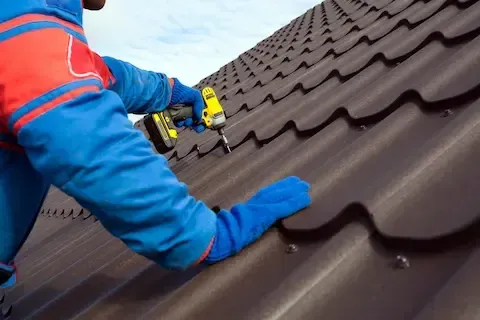
Metal Roofing for the Northeast Arkansas Climate Zone
Northeast Arkansas experiences a humid subtropical climate that presents unique challenges for roofing materials. The region's hot, humid summers, occasional severe weather events, and temperature fluctuations throughout the year make material selection critical for long-term performance. Metal roofing has emerged as an increasingly popular choice for homeowners and businesses in the area, offering distinct advantages that align well with local climate conditions.
Climate Characteristics of Northeast Arkansas
The Northeast Arkansas climate zone features hot, humid summers with average temperatures reaching the upper 80s to low 90s Fahrenheit. Summer humidity levels regularly exceed 70%, creating conditions that can stress traditional roofing materials. The region receives approximately 45-50 inches of annual precipitation, with peak rainfall occurring during spring and early summer months.
Winter temperatures typically range from the mid-30s to low 50s, though occasional ice storms and freezing rain events can occur. These temperature swings, combined with high humidity levels, create expansion and contraction cycles that affect roofing material performance over time.
Severe weather events, including hail storms, high winds, and occasional tornadoes, present additional challenges for roofing systems throughout the region. The combination of these factors makes durability and weather resistance primary considerations for roofing material selection in Craighead County and surrounding areas.
Heat Reflection and Energy Performance
Metal roofing systems excel in hot, humid climates due to their superior heat reflection properties. Unlike asphalt shingles that absorb heat, metal roofs reflect solar radiation, reducing heat transfer into the building structure. This reflective capability can lower attic temperatures by 10-25 degrees compared to traditional roofing materials.
The energy efficiency benefits become particularly pronounced during Northeast Arkansas summers when cooling costs represent the largest portion of energy expenses. Metal Roofing systems with reflective coatings can achieve Solar Reflectance Index (SRI) values exceeding 80, significantly outperforming standard asphalt shingles.
Cool roof technology integrated into metal roofing systems helps maintain lower surface temperatures even during peak summer heat. This performance characteristic reduces thermal stress on the roofing system while creating more comfortable indoor conditions and lower energy consumption patterns.
Moisture Management and Humidity Resistance
High humidity levels in Northeast Arkansas create challenges for roofing systems, particularly regarding moisture infiltration and condensation control. Metal roofing addresses these concerns through several design features that promote effective moisture management.
Proper installation of metal roofing includes ventilation systems that allow air circulation beneath the roofing material. This ventilation prevents moisture buildup that can lead to condensation issues, particularly important during periods when outdoor humidity exceeds indoor levels.
The non-porous nature of metal roofing materials prevents moisture absorption that commonly affects organic roofing materials. This characteristic helps prevent mold growth, rot, and other moisture-related deterioration that can compromise structural integrity over time.
Interlocking panel designs and sealed seam construction methods create effective barriers against wind-driven rain, a common occurrence during severe weather events throughout the region. These installation techniques help maintain building envelope integrity even during extended periods of heavy precipitation.
Storm Resistance and Durability Factors
Northeast Arkansas experiences various severe weather patterns that test roofing system durability. Metal roofing provides enhanced resistance to these conditions through superior wind ratings and impact resistance compared to traditional materials.
Wind resistance ratings for metal roofing systems typically range from 110-180 mph, well above the wind speeds experienced in most regional storm events. The interlocking panel design distributes wind loads across the entire roofing surface, reducing the likelihood of individual component failure.
Hail resistance represents another critical performance factor for the region. Metal roofing materials demonstrate superior impact resistance, with many systems rated for hail stones up to 2.5 inches in diameter. This durability helps prevent the punctures and granule loss that commonly affect asphalt shingles during hail events.
The corrosion resistance of modern metal roofing systems addresses concerns about long-term performance in humid conditions. Advanced coating technologies provide protection against rust and deterioration, maintaining structural integrity and appearance throughout extended service life periods.
Thermal Performance and Expansion Considerations
Temperature fluctuations throughout the Northeast Arkansas climate zone create expansion and contraction cycles that affect roofing material performance. Metal roofing systems accommodate these movements through specific design features and installation techniques.
Expansion joints and sliding connections allow metal panels to move with temperature changes without creating stress concentrations that could lead to material failure. Proper installation accounts for seasonal temperature ranges and provides adequate accommodation for thermal movement.
The thermal mass characteristics of metal roofing contribute to more stable indoor temperature conditions. Unlike materials with high thermal mass that store and slowly release heat, metal roofing responds quickly to temperature changes, reducing prolonged heat exposure to building structures.
Installation methods that include proper underlayment and insulation systems help optimize thermal performance while addressing potential condensation concerns during periods when significant temperature differentials exist between indoor and outdoor environments.
Seasonal Performance Patterns
Metal roofing performance varies throughout the Northeast Arkansas seasonal cycle, with distinct advantages during different periods. Summer performance benefits include reduced cooling loads and improved indoor comfort conditions during peak heat periods.
Spring and fall performance characteristics center on effective precipitation management during the region's wettest periods. The smooth surface and positive drainage characteristics of metal roofing systems help prevent water accumulation and ice dam formation during transitional weather periods.
Winter performance benefits include snow shedding capabilities that reduce load accumulation and prevent ice dam formation. For more detailed information about metal roofing benefits and installation considerations specific to the Jonesboro area, review our metal roofing walkthrough covering local installation practices and material selections.
The low-maintenance characteristics of metal roofing prove particularly valuable throughout seasonal transitions when debris accumulation and weather exposure create maintenance challenges for other roofing materials. Regular inspection and minor maintenance activities help ensure optimal performance throughout changing weather conditions.
Long-Term Value and Climate Adaptation
Climate patterns in Northeast Arkansas continue evolving, with increasing temperatures and more intense weather events becoming more frequent. Metal roofing systems provide adaptability to these changing conditions through inherent durability and performance characteristics.
The extended service life of metal roofing, typically 40-70 years, provides long-term value that accounts for changing climate conditions over time. This longevity reduces replacement frequency and associated costs while maintaining consistent performance throughout varying weather patterns.
Investment recovery through energy savings becomes particularly pronounced in hot, humid climates where cooling costs represent significant ongoing expenses. The combination of reduced energy consumption and minimal maintenance requirements creates favorable long-term ownership economics for metal roofing systems in the Northeast Arkansas climate zone.
