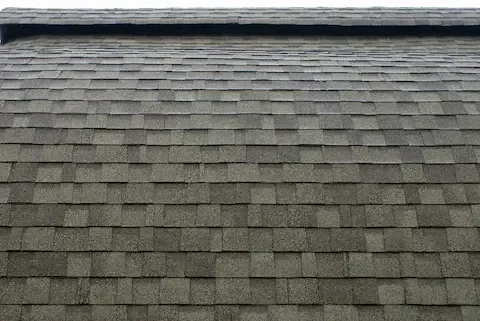
Shingle Roofing in Jonesboro AR: Homeowner Walkthrough
Asphalt shingles protect roughly 80% of residential roofs across Northeast Arkansas, making them the dominant roofing material in Jonesboro and surrounding communities. These petroleum-based roofing products offer homeowners an effective balance of weather protection, aesthetic appeal, and budget considerations that align well with Arkansas climate demands.
Your shingle selection process involves understanding three distinct performance classes, each engineered for different longevity expectations and weather resistance levels. The choice between three-tab, architectural, and luxury shingles ultimately determines your roof's appearance, storm resilience, and replacement timeline over the next 15 to 50 years.
Three-Tab Shingles: Entry-Level Protection
Three-tab asphalt shingles represent the most economical option for Jonesboro homeowners seeking basic weather protection. These shingles feature a uniform rectangular design with three distinct tabs per shingle, creating a clean, traditional appearance that complements ranch-style and colonial homes throughout the area.
The construction consists of a fiberglass mat base saturated with asphalt and coated with ceramic granules for UV protection. Typical three-tab shingles weigh between 200-250 pounds per square (100 square feet), making them lighter than premium alternatives while still providing adequate wind resistance for Arkansas weather patterns.
Most three-tab products carry manufacturer warranties ranging from 20 to 30 years, though realistic performance expectations in Northeast Arkansas climate conditions typically span 15 to 20 years. The combination of summer heat, winter freeze-thaw cycles, and occasional severe weather gradually degrades the asphalt compounds, leading to granule loss and eventual replacement needs.
Installation costs for three-tab shingles generally run $3.50 to $5.50 per square foot in the Jonesboro market, including removal of existing materials and standard underlayment application. This price point makes three-tab shingles attractive for rental properties, starter homes, and situations where budget constraints require prioritizing basic protection over longevity.
Architectural Shingles: Enhanced Durability
Architectural shingles, also called dimensional or laminate shingles, provide superior performance through multi-layer construction that creates both visual depth and improved weather resistance. These products feature two or more asphalt layers laminated together, resulting in a thicker, more durable shingle that better withstands Arkansas storm conditions.
The dimensional design creates shadow lines and texture variations that mimic the appearance of natural wood shakes or slate tiles. This aesthetic enhancement makes architectural shingles particularly popular in established Jonesboro neighborhoods where curb appeal directly impacts property values.
Weight typically ranges from 300 to 400 pounds per square, with the additional mass contributing to improved wind resistance ratings. Most architectural shingles achieve Class A fire ratings and wind resistance up to 110-130 mph, specifications that address the severe weather potential across Northeast Arkansas.
Manufacturer warranties for architectural shingles commonly extend 30 to 50 years, with realistic service life expectations of 25 to 35 years in local climate conditions. The enhanced construction materials and improved granule adhesion systems help these shingles maintain protective capabilities longer than three-tab alternatives.
Installation costs range from $4.50 to $7.50 per square foot, reflecting both material premiums and the additional labor requirements for proper installation. The cost differential often proves worthwhile when evaluated against the extended service life and reduced replacement frequency compared to three-tab options.
Luxury Shingles: Premium Performance
Luxury asphalt shingles represent the highest tier of shingle technology, incorporating advanced materials and manufacturing processes that deliver maximum durability and aesthetic appeal. These products often feature multiple layers, specialized granule systems, and enhanced adhesive formulations designed for extreme weather resistance.
Many luxury shingles incorporate algae-resistant technology particularly valuable in Arkansas's humid climate conditions. Zinc or copper granule additives help prevent the black streaking and discoloration that commonly affects standard shingles in moisture-rich environments like those found across Northeast Arkansas.
The construction typically includes reinforced nail zones, advanced sealant strips, and impact-resistant materials that help these shingles achieve Class 4 impact ratings. This designation can qualify homeowners for insurance premium discounts, partially offsetting the higher initial investment costs.
Warranty coverage for luxury shingles often extends 50 years or lifetime, with some manufacturers offering non-prorated coverage for extended periods. Realistic performance expectations range from 40 to 50 years, making these products viable for homeowners planning long-term residence in their properties.
Installation costs typically range from $6.50 to $12.00 per square foot, positioning luxury shingles as premium investments. The cost consideration requires balancing upfront expenses against extended service life, potential insurance savings, and enhanced property values.
Climate Considerations for Arkansas Installation
Northeast Arkansas weather patterns create specific challenges for asphalt shingle performance that influence both product selection and installation requirements. The region experiences hot, humid summers with temperatures regularly exceeding 90°F, followed by winters that can include ice storms and occasional snow accumulation.
Summer heat causes asphalt shingles to expand and contract repeatedly, gradually loosening granules and degrading the underlying mat materials. Proper attic ventilation becomes critical for extending shingle life by reducing heat buildup that accelerates this degradation process.
Winter conditions present different challenges, particularly ice dam formation during freeze-thaw cycles. Shingle Roofing installations require careful attention to ice and water shield placement along eaves and valleys to prevent moisture infiltration during these weather events.
Severe weather potential across the region, including tornadoes and severe thunderstorms, makes wind resistance ratings particularly important. Proper installation techniques, including correct nail placement and sealant activation, become essential for maintaining shingle integrity during high-wind events.
Installation Quality Factors
Successful shingle installation requires attention to multiple technical details that directly impact long-term performance. Deck preparation involves ensuring proper structural support, adequate ventilation pathways, and moisture barrier installation that meets Arkansas building codes.
Underlayment selection plays a crucial role in system performance, with synthetic materials often providing superior tear resistance and weather protection compared to traditional felt products. In Northeast Arkansas climate conditions, upgraded underlayment frequently justifies the additional cost through enhanced leak protection.
Proper nail placement and quantity significantly affect wind resistance and longevity. Each shingle requires specific nail patterns and penetration depths, with deviations from manufacturer specifications potentially voiding warranty coverage and reducing storm resistance.
Flashing installation around penetrations, valleys, and roof-to-wall intersections requires precise workmanship to prevent water infiltration. These detail areas often determine overall system longevity, making contractor expertise particularly important for achieving expected performance levels.
Maintenance and Inspection Requirements
Regular maintenance extends asphalt shingle life and helps identify developing problems before they require major repairs. Homeowners should schedule annual inspections, preferably in late fall before winter weather arrives, to assess shingle condition and address minor issues promptly.
Granule loss represents normal aging for asphalt shingles but excessive or accelerated loss may indicate installation problems or premature failure. Monitoring granule accumulation in gutters provides an early indicator of shingle condition changes that warrant professional evaluation.
Algae and moss growth, common in Arkansas's humid climate, requires attention both for aesthetic reasons and to prevent moisture retention that can accelerate shingle degradation. Professional cleaning or treatment may be necessary to address these biological growth patterns effectively.
Storm damage assessment should occur promptly after severe weather events, as delayed repairs can lead to secondary damage and potential insurance claim complications. Our roof inspection walkthrough provides detailed guidance for identifying storm-related damage requiring professional attention.
Warranty Understanding and Claims
Asphalt shingle warranties typically include both material defect coverage and installation workmanship protection, though these components often carry different terms and limitations. Understanding warranty specifics helps homeowners make informed decisions and protect their investment over time.
Material warranties from manufacturers generally cover defects in the shingle products themselves, including premature granule loss, mat deterioration, or adhesive failures. However, most warranties exclude damage from severe weather, normal aging, or installation errors not related to product defects.
Installation warranties from roofing contractors typically cover workmanship issues including leak repairs, flashing failures, or problems resulting from improper installation techniques. These warranties usually run shorter terms than material coverage but address the most common failure points in new roof systems.
Warranty registration and maintenance requirements vary by manufacturer but often include specific installation standards, approved contractor networks, and periodic inspection documentation. Failing to meet these requirements can void coverage, making careful attention to warranty terms essential for protection.
Long-Term Investment Perspective
Shingle roofing decisions should consider total cost of ownership rather than initial installation expenses alone. Higher-grade shingles typically provide better cost-per-year value through extended service life, reduced maintenance needs, and potential insurance premium reductions.
Property value impact varies by neighborhood and home style, but quality roofing generally contributes to resale appeal and market competitiveness. In Jonesboro's established neighborhoods, architectural or luxury shingles often align better with buyer expectations and comparable property standards.
Energy efficiency considerations include both shingle color selection and underlying ventilation systems that affect cooling costs during Arkansas summers. Light-colored shingles and proper attic ventilation can reduce energy consumption, providing ongoing operational savings beyond the roofing investment itself.
The replacement timing decision involves balancing current roof condition against future cost expectations and personal housing plans. Understanding realistic service life expectations for different shingle grades helps homeowners plan maintenance budgets and make informed timing decisions for their specific situations.
