Roof Inspections in Jonesboro AR: Homeowner Walkthrough
Understanding Professional Roof Inspections
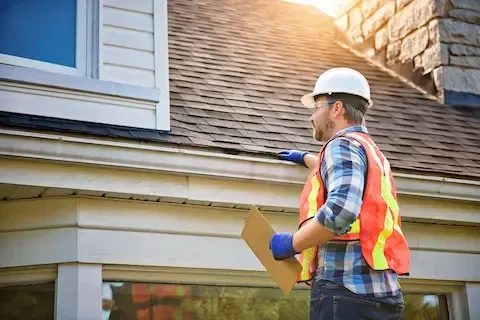
Professional roof inspections in Jonesboro AR involve a systematic evaluation of your home's roofing system to identify potential problems before they become costly repairs. A thorough inspection examines every component from shingles and underlayment to gutters and ventilation systems. Northeast Arkansas homeowners benefit from regular inspections, especially given the region's severe weather patterns including hail storms, high winds, and heavy rainfall that can compromise roofing materials over time.
The inspection process typically takes two to three hours and covers both exterior and interior components. Professional roofers use specialized tools and safety equipment to access steep areas safely while documenting findings with detailed photographs and measurements. This comprehensive approach ensures nothing gets overlooked, from minor granule loss on asphalt shingles to more serious structural concerns in the decking or support systems.
Most inspection companies provide written reports within 24 to 48 hours, complete with prioritized recommendations and cost estimates for any necessary repairs. This documentation proves invaluable for insurance claims, home sales, or simply planning your maintenance budget. Roof Inspections should occur annually or after severe weather events to maintain your roof's warranty and protect your investment.
Exterior Inspection Components
The exterior inspection begins with a ground-level assessment using binoculars and telescoping tools to examine accessible areas safely. Inspectors look for obvious damage patterns, missing or displaced shingles, and signs of wear around roof penetrations. This preliminary survey helps identify areas requiring closer examination during the roof-level inspection phase.
Shingle condition receives primary attention during exterior inspections. Asphalt shingles show their age through granule loss, curling edges, and cracked or missing tabs. Clay and concrete tiles may have hairline fractures or loose pieces, while metal roofing systems can develop rust spots, loose fasteners, or coating deterioration. Each material type requires specific evaluation criteria based on expected lifespan and regional weather exposure.
Flashing inspection covers all roof-to-wall intersections, chimney bases, vent penetrations, and valley areas where water runoff concentrates. Properly installed flashing creates watertight seals using step flashing, continuous flashing, or specialized boot systems around pipe penetrations. Inspectors check for rust, separation gaps, improper overlap sequences, and caulking failures that allow water infiltration.
Gutter systems undergo thorough evaluation for proper drainage function and structural integrity. This includes checking downspout connections, testing water flow patterns, and identifying areas where debris accumulation or improper slope prevents effective water removal. Gutters that pull away from fascia boards or show rust-through damage require immediate attention to prevent foundation and siding problems.
Structural Assessment Points
Ridge lines and roof edges receive special attention during structural assessments. Sagging ridge lines indicate potential rafter damage or inadequate support systems, while uneven roof planes suggest settlement issues or compromised structural members. These conditions often develop gradually and may not be apparent to homeowners during casual observation.
Soffit and fascia inspection reveals important clues about overall roof health. Peeling paint, water stains, or visible rot indicate moisture problems that may extend into the roof structure. Proper ventilation through soffit vents prevents ice dam formation during winter months and reduces attic temperatures during Jonesboro's hot summers.
Interior and Attic Evaluation
Interior inspections begin in the attic space where most roofing problems first become apparent through water stains, mold growth, or structural damage. Inspectors use powerful flashlights and moisture meters to detect problems that may not yet be visible from the exterior. Proper attic access allows thorough examination of rafters, decking, and insulation systems.
Decking condition assessment involves checking for soft spots, nail pops, and delamination in plywood or OSB sheathing. Water damage appears as dark stains, warped boards, or areas where the wood feels spongy when pressed. Early detection of decking problems prevents more extensive structural damage and reduces repair costs significantly.
Insulation evaluation covers both effectiveness and condition. Wet or compressed insulation loses thermal performance and may indicate ongoing moisture problems. Proper insulation levels help maintain consistent attic temperatures, reducing ice dam risks and improving energy efficiency throughout the year.
Ventilation system inspection ensures adequate air circulation through ridge vents, soffit vents, and mechanical exhaust systems. Balanced ventilation prevents moisture buildup, reduces cooling costs, and extends shingle life by maintaining moderate attic temperatures. our commercial roofing walkthrough covers similar ventilation principles for larger buildings.
Moisture and Air Quality Indicators
Moisture detection involves visual inspection combined with specialized instruments that measure humidity levels and identify hidden water damage. Condensation problems often appear first as frost buildup during cold weather or excessive humidity during summer months. These conditions promote mold growth and accelerate structural deterioration.
Air quality assessment identifies potential health hazards including mold spores, asbestos materials in older homes, and chemical odors from roofing materials or treatments. Professional inspectors document these findings and recommend appropriate remediation procedures when necessary.
Seasonal Inspection Priorities
Spring inspections focus on winter damage assessment and preparation for severe weather season. Arkansas weather patterns include frequent hailstorms, tornado activity, and heavy rainfall that test roofing systems throughout spring and early summer. Post-winter inspections identify ice damage, loose fasteners from thermal cycling, and debris accumulation that could cause drainage problems.
Summer inspection priorities shift toward heat-related damage and storm preparation. High temperatures cause material expansion and contraction that can loosen fasteners and crack sealants. Pre-storm inspections help identify vulnerable areas that need reinforcement before severe weather arrives.
Fall preparations involve clearing gutters, trimming overhanging branches, and addressing any repair needs before winter weather. This timing allows completion of necessary work during favorable weather conditions while ensuring the roof system can handle winter precipitation and temperature extremes.
Winter inspections typically occur from ground level unless emergency repairs are needed. Ice dam formation, icicle patterns, and interior moisture signs provide important information about ventilation effectiveness and insulation performance without requiring dangerous roof access during icy conditions.
Common Problem Areas
Valley areas concentrate water flow and debris accumulation, making them particularly vulnerable to leaks and damage. Proper valley construction uses either woven shingles, closed-cut valleys, or metal valley systems depending on roof slope and aesthetic preferences. Regular cleaning and inspection prevent debris dams that force water under shingles.
Penetration points including chimneys, vent pipes, and satellite dish installations create potential leak sources requiring specialized flashing systems. Each penetration type demands specific installation techniques and maintenance procedures. Poorly sealed penetrations account for a significant percentage of residential roof leaks.
Edge conditions along eaves, rakes, and gable ends face increased wind exposure and require proper edge flashing and drip edge installation. Inadequate edge protection allows wind-driven rain to penetrate underlayment and cause structural damage along roof perimeters.
Weather-Related Damage Patterns
Hail damage appears differently on various roofing materials but typically includes impact marks, granule loss, and cracked or fractured surfaces. Jonesboro area storms can produce golf ball-sized hail that causes immediate damage requiring professional assessment for insurance claims.
Wind damage often manifests as loose or missing shingles, exposed nail heads, and damaged flashing systems. High winds can lift shingle edges and break the seal strips that hold them in place, creating entry points for water infiltration during subsequent storms.
Professional vs. DIY Assessment
Professional inspections provide expertise, safety protocols, and liability coverage that homeowner assessments cannot match. Licensed inspectors carry insurance, use proper safety equipment, and understand building codes and manufacturer specifications for different roofing systems. Their training enables identification of subtle problems that untrained observers might miss.
Homeowner observations can supplement professional inspections by monitoring changing conditions between formal assessments. Simple ground-level checks for obvious damage, gutter function, and interior moisture signs help identify problems requiring immediate professional attention.
Safety considerations make professional inspection the preferred choice for steep roofs, multi-story buildings, or any situation involving potential fall hazards. Professional-grade ladders, safety harnesses, and experience working at height reduce accident risks significantly compared to homeowner attempts.
Cost Factors and Investment Value
Inspection costs typically range from $200 to $500 depending on roof size, complexity, and local market conditions. This investment provides early problem detection that can prevent repair costs ranging from hundreds to thousands of dollars. Regular inspections also maintain manufacturer warranties that may become void without documented maintenance.
Insurance considerations make professional inspections valuable for claim documentation and policy maintenance. Many insurers offer premium discounts for homes with recent professional inspections, and detailed inspection reports support claim validity when storm damage occurs.
Property value protection through regular roof maintenance and documentation appeals to potential buyers during home sales. Well-maintained roofs with inspection records demonstrate responsible ownership and reduce buyer concerns about hidden problems or deferred maintenance.
Documentation and Follow-up Procedures
Comprehensive inspection reports include photographs, measurements, and prioritized repair recommendations with cost estimates. This documentation supports insurance claims, warranty applications, and maintenance planning. Digital reports allow easy sharing with contractors, insurance adjusters, and real estate professionals when needed.
Follow-up scheduling ensures continuity in roof maintenance programs. Most inspection companies offer reminder services and package deals for regular customers. Establishing relationships with local professionals familiar with your specific roof system provides consistency and improved service over time.
Maintenance planning based on inspection findings helps budget for future repairs and replacements. Understanding typical material lifespans and regional weather impacts enables proactive maintenance that extends roof life and prevents emergency repairs during severe weather periods common in Northeast Arkansas.
