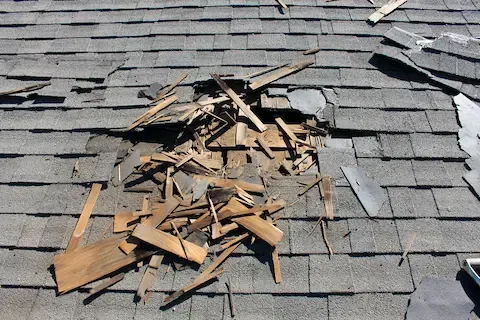
Roof Repair in Jonesboro AR: Homeowner Walkthrough
Roof repair needs in Jonesboro AR can range from a simple shingle replacement to extensive structural work involving decking, underlayment, and flashing systems. Northeast Arkansas weather patterns create specific challenges for residential roofing, with severe thunderstorms, hail events, and occasional ice storms testing even well-maintained roof systems. Understanding the scope of potential repairs helps you make informed decisions about timing, budgeting, and contractor selection.
Most Jonesboro homeowners encounter roof issues following severe weather events, though normal wear and aging also contribute to repair needs. The key lies in accurate diagnosis of the problem's extent and addressing root causes rather than just visible symptoms.
Common Roof Repair Categories in Northeast Arkansas
Shingle repairs represent the most frequent category of roof work in Jonesboro. Individual shingles can lift, crack, or blow off during storms, creating entry points for water infiltration. Asphalt shingles typically last 20-25 years in Arkansas climate conditions, but isolated damage can occur much earlier due to impact or wind exposure.
Flashing repairs address areas where the roof meets walls, chimneys, or penetrations like vents and skylights. These transition zones experience significant stress from thermal expansion and water flow, making them vulnerable points in your roofing system. Step flashing along dormers and valley flashing in roof intersections require particular attention in Jonesboro's variable weather conditions.
Decking repairs become necessary when water infiltration has compromised the structural wood underneath your shingles. OSB or plywood decking can delaminate, warp, or develop soft spots when exposed to moisture over time. These repairs often accompany larger projects but sometimes stand alone when damage is localized.
Ventilation system repairs focus on ridge vents, soffit vents, and exhaust penetrations that maintain proper airflow in your attic space. Arkansas humidity levels make adequate ventilation crucial for preventing condensation issues and maintaining energy efficiency.
Leak Diagnosis and Water Intrusion Patterns
Water stains on interior ceilings rarely appear directly below the actual leak source. Water typically travels along rafters, decking, or other structural elements before dripping into living spaces. Effective leak diagnosis requires systematic inspection of the roof surface, attic space, and interior indicators.
Ice dam formation, while less common in Jonesboro than northern climates, can occur during winter weather events. These create backup conditions that force water under shingles designed to shed water flowing downward. Proper attic insulation and ventilation prevent most ice dam scenarios in Northeast Arkansas.
Wind-driven rain presents unique challenges during severe thunderstorms common to the region. Normal roof systems rely on gravity-fed water flow, but high winds can force water upward under shingles or through small openings that remain dry during calm weather.
Chronic moisture issues often stem from ventilation problems rather than obvious leaks. Poor attic airflow creates condensation that mimics leak symptoms but requires different repair approaches. Roof Repair specialists can distinguish between these different moisture sources during their assessment.
Interior Warning Signs
Ceiling discoloration typically appears as brown or yellow stains that may expand during rainy periods. Fresh stains indicate active leaks, while old stains might represent resolved issues or seasonal problems that resurface during heavy rainfall.
Peeling paint or wallpaper near exterior walls can signal water intrusion through roof or wall interfaces. These areas deserve immediate attention to prevent mold development and structural damage.
Musty odors in upper floors or attic spaces often indicate moisture problems even when visible stains haven't appeared. Early intervention prevents more extensive repair needs and health concerns associated with mold growth.
Timing Considerations for Roof Repairs
Emergency repairs address immediate threats to your home's interior or structural integrity. These situations require prompt response regardless of weather conditions or scheduling preferences. Temporary measures like tarping can provide short-term protection while permanent repairs are scheduled.
Seasonal timing affects both material availability and labor scheduling. Spring months see high demand for roofing services as homeowners address winter damage, potentially extending project timelines. Fall repairs offer advantages in terms of contractor availability and preparation for winter weather.
Weather windows play a crucial role in repair scheduling. Most roofing work requires dry conditions for safety and proper material installation. Jonesboro's climate provides reasonable working weather most of the year, though summer heat and afternoon thunderstorms can affect daily scheduling.
Insurance claim timing influences repair decisions when storm damage is involved. Most policies require prompt reporting of damage and may have specific timeframes for completing repairs. Coordinating with adjusters and contractors requires advance planning to avoid coverage complications.
Scope Assessment and Cost Factors
Material selection affects both immediate costs and long-term performance. Standard three-tab shingles offer economical repair options, while architectural shingles provide enhanced durability and appearance matching for existing roofs. Specialty materials like metal or tile require specific expertise and typically involve higher costs.
Labor complexity varies significantly between different repair types. Simple shingle replacement can often be completed quickly by experienced crews, while structural repairs or complex flashing work requires more time and specialized skills.
Access challenges affect project costs and scheduling. Single-story homes with moderate roof pitches allow efficient work, while steep slopes, multiple levels, or landscaping obstacles require additional safety measures and equipment.
Code compliance requirements may expand repair scope beyond the immediate damage area. Local building codes and manufacturer warranties often specify minimum repair areas or require upgrades to current standards when work is performed.
Hidden Damage Considerations
Underlayment condition becomes apparent only after shingle removal. Damaged felt or synthetic underlayment requires replacement to maintain water protection, adding to project scope and cost.
Decking assessment reveals structural issues that may not be visible from interior inspection. Soft spots, nail pops, or edge deterioration can expand repair requirements significantly.
Insulation replacement sometimes becomes necessary when water damage has compromised attic insulation. Wet insulation loses effectiveness and can harbor mold growth if not properly addressed.
Common Mistakes and Misconceptions
Temporary fixes often create bigger problems when homeowners attempt to delay proper repairs. Roof cement, caulk, or patch materials may stop immediate leaks but can trap moisture or create new failure points if not applied correctly.
Partial repairs without addressing underlying causes frequently result in recurring problems. Replacing damaged shingles without fixing the flashing issue that caused the damage ensures future repair needs.
DIY attempts on roof work present significant safety risks and often violate manufacturer warranties. Professional installation ensures proper techniques and maintains coverage for materials and workmanship.
Delay tactics hoping problems will resolve themselves typically result in more extensive damage and higher repair costs. Small leaks become structural issues when left unaddressed through multiple weather cycles.
Insurance claim misconceptions lead many homeowners to avoid filing legitimate claims or accept inadequate settlements. Understanding policy coverage and working with experienced contractors helps maximize claim benefits while ensuring proper repairs. For comprehensive damage assessment, review our storm damage walkthrough to understand the full scope of potential issues.
Local Weather and Environmental Factors
Arkansas thunderstorms create unique stress patterns on roofing systems through rapid temperature changes, hail impact, and high winds. These weather events can cause immediate damage or accelerate wear on existing vulnerable areas.
Humidity levels in Northeast Arkansas affect material performance and installation requirements. Proper ventilation becomes crucial for preventing condensation issues that can mimic leak symptoms or cause actual structural damage.
Tornado activity in the region, while statistically rare for any individual property, influences building codes and insurance requirements. Understanding wind resistance ratings helps in material selection for repairs and upgrades.
Seasonal temperature swings cause expansion and contraction cycles that stress roofing materials and fasteners. This thermal movement contributes to normal aging but can accelerate failure in damaged or improperly installed systems.
Regional Material Considerations
Algae resistance becomes important in Arkansas humidity, with certain shingle types offering better long-term appearance retention. Copper granules or zinc strips can help prevent algae growth on repaired sections.
Wind uplift ratings matter more in areas prone to severe weather. Higher-rated materials and installation methods provide better protection against storm damage common to Northeast Arkansas.
Color selection affects heat absorption and cooling costs. Lighter colors reflect more heat but may show dirt more readily, while darker colors absorb heat but hide minor staining better.
Professional vs. DIY Considerations
Safety concerns make professional installation the recommended approach for most roof repairs. Working at height requires proper equipment, training, and insurance coverage that most homeowners lack.
Warranty protection typically requires professional installation to remain valid. Manufacturer warranties and contractor workmanship guarantees provide important protection for your investment in roof repairs.
Code compliance ensures repairs meet local building standards and insurance requirements. Professional contractors understand current codes and permit requirements that may not be obvious to property owners.
Tool and material access through professional channels often provides better pricing and availability than retail options. Contractors can source specialty items and professional-grade materials not available to consumers.
Quality control through experienced installation prevents common mistakes that can compromise repair effectiveness. Proper technique in areas like flashing installation, fastener placement, and sealant application requires specific knowledge and experience.
Long-term Maintenance and Prevention
Regular inspections help identify small issues before they become major repairs. Annual or semi-annual visual checks from ground level can spot obvious problems like missing shingles or damaged flashing.
Gutter maintenance prevents water backup that can damage roof edges and fascia boards. Clean gutters and proper drainage protect the roof system and foundation areas.
Tree management around your Jonesboro property reduces debris accumulation and prevents branch damage during storms. Overhanging limbs create ongoing maintenance issues and increase storm damage risk.
Attic ventilation maintenance ensures proper airflow that prevents moisture problems and reduces cooling costs. Keeping soffit vents clear and ridge vents functional maintains the system's effectiveness.
Understanding your roof's age and condition helps in planning for future maintenance and replacement needs. Most repairs become more cost-effective when planned in advance rather than handled as emergencies.
