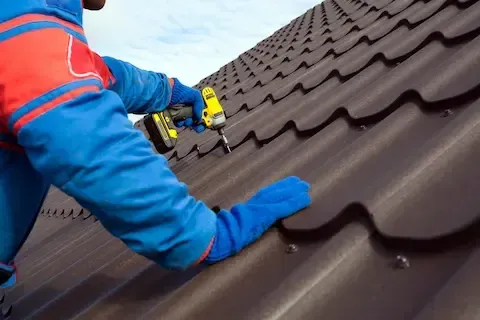
Metal Roofing in Jonesboro AR: Homeowner Walkthrough
Understanding Metal Roofing Systems
Metal roofing has become increasingly popular among Jonesboro homeowners who want durability and energy efficiency. These systems use steel, aluminum, or other metal materials formed into panels or shingles that interlock to create a weatherproof barrier. Unlike traditional asphalt shingles that typically last 15-25 years, quality metal roofing systems can protect your home for 40-70 years with proper installation and maintenance.
The fundamental appeal lies in metal's ability to withstand Arkansas weather extremes. From scorching summer temperatures that regularly exceed 90 degrees to severe thunderstorms and occasional ice storms, Northeast Arkansas puts roofing materials through demanding conditions. Metal roofing excels in these environments because it reflects solar heat, resists wind uplift, and sheds water efficiently.
Modern metal roofing differs significantly from the corrugated barn metal you might remember. Today's residential systems feature advanced coatings, multiple color options, and profiles that can mimic traditional materials like slate, wood shake, or tile. The technology has evolved to address previous concerns about noise, expansion, and aesthetic limitations.
Panel Types and Material Options
Standing seam metal roofing represents the premium choice for most Jonesboro installations. These systems feature vertical panels with raised seams that interlock without exposed fasteners. The concealed fastening system eliminates potential leak points while allowing for thermal expansion and contraction. Standing seam panels typically measure 12-24 inches wide and run from ridge to eave in continuous lengths.
Corrugated metal panels offer a more budget-friendly option while still providing excellent durability. These panels feature repeating ridges and valleys that add structural strength. While they use exposed fasteners, quality installation with proper sealants creates a reliable weatherproof system. Corrugated panels work well for both residential and agricultural applications around Craighead County.
Metal shingles and tiles provide the durability of metal with traditional aesthetic appeal. These systems use smaller individual pieces that overlap like conventional shingles. They're particularly popular for historical renovations or neighborhoods with specific architectural requirements. The smaller format allows for easier handling during installation and repair.
Material selection impacts both performance and cost. Steel remains the most popular choice due to its strength-to-cost ratio. Galvanized steel with additional protective coatings can last decades in Arkansas humidity. Aluminum offers superior corrosion resistance, making it ideal for areas with high moisture exposure. Premium options like copper or zinc provide exceptional longevity but require significantly higher upfront investment.
Installation Considerations for Arkansas Climate
Northeast Arkansas weather patterns create specific installation requirements for metal roofing systems. Summer temperatures often reach the mid-90s with high humidity, while winter conditions can include ice storms and occasional snow loads. Professional installation must account for thermal movement, which can be substantial with large roof areas.
Proper underlayment becomes critical in Arkansas installations. High-temperature synthetic underlayments outperform traditional felt in extreme heat while providing superior water protection during severe weather events. The underlayment serves as a secondary barrier if wind-driven rain penetrates the metal panels during severe storms common in the region.
Ventilation design requires careful attention in Arkansas installations. Metal roofing can create significant heat buildup in attic spaces without proper airflow. Ridge vents, soffit vents, and proper insulation work together to maintain comfortable interior temperatures and prevent ice dam formation during winter weather.
Fastening systems must accommodate high wind loads common during Arkansas thunderstorms. Metal Roofing installations in Jonesboro require fasteners rated for wind speeds up to 130 mph to meet local building codes. The fastening pattern and spacing become critical factors in system performance during severe weather.
Cost Analysis and Investment Factors
Metal roofing installation costs in Jonesboro typically range from $8-15 per square foot for basic corrugated systems up to $15-25 per square foot for premium standing seam installations. These prices include materials and professional installation but can vary based on roof complexity, accessibility, and specific material selections.
The initial investment appears substantial compared to asphalt shingles, which might cost $5-8 per square foot installed. However, lifecycle cost analysis reveals metal roofing's financial advantages. A quality metal roof installed today could still be protecting your home in 2070, while asphalt shingles might require 2-3 replacements over the same period.
Energy savings contribute significantly to metal roofing's value proposition in Arkansas. Reflective metal surfaces can reduce cooling costs by 10-25% during hot summers. With Jonesboro's extended air conditioning season running from May through September, these savings accumulate substantially over the roof's lifespan.
Insurance considerations often favor metal roofing installations. Many insurance companies offer premium discounts for impact-resistant and fire-resistant roofing materials. Metal roofing's Class A fire rating and ability to withstand hail damage can result in ongoing insurance savings that help offset the initial investment.
Addressing Common Concerns and Misconceptions
Noise concerns rank among the most frequently cited objections to metal roofing. Modern installations with proper insulation and underlayment typically produce noise levels comparable to other roofing materials. The key lies in professional installation that includes adequate insulation and avoids direct contact between metal panels and structural elements that could transmit sound.
Lightning attraction represents another common misconception. Metal roofing does not increase lightning strike probability. While metal conducts electricity, a properly grounded metal roof can actually provide safer lightning protection than other materials by distributing electrical energy safely to the ground.
Rust and corrosion concerns have largely been addressed through modern coating technologies. Quality metal roofing systems include multiple protective layers: galvanized base metal, primer coats, and finished paint systems designed to withstand decades of weather exposure. Warranties often guarantee against rust-through for 20-30 years or more.
Installation complexity varies significantly among metal roofing systems. While standing seam installations require specialized tools and expertise, corrugated metal systems can be more straightforward. However, proper flashing details around chimneys, valleys, and penetrations require professional knowledge regardless of the panel type selected.
Local Weather Performance and Durability
Arkansas weather tests roofing materials through diverse challenges throughout the year. Spring brings severe thunderstorms with large hail, high winds, and heavy rainfall. Metal roofing's impact resistance helps it survive hailstorms that can destroy asphalt shingle roofs. The interlocking design and mechanical fastening systems resist wind uplift during severe weather events.
Summer heat and UV exposure gradually degrade most roofing materials, but metal systems with quality coatings maintain their protective properties for decades. The reflective properties help maintain lower surface temperatures, reducing thermal stress on both the roofing system and the building structure underneath.
Winter conditions in Northeast Arkansas include occasional ice storms and freeze-thaw cycles that can damage roofing systems. Metal's smooth surface sheds ice and snow effectively, reducing ice dam potential. The material's dimensional stability prevents cracking and splitting common with other roofing materials during temperature extremes.
For homeowners concerned about storm damage, our emergency response walkthrough provides detailed guidance on post-storm roof assessment and emergency protection measures. Understanding your roof's vulnerability helps you make informed decisions about upgrades and maintenance.
Maintenance Requirements and Longevity
Metal roofing maintenance requirements remain minimal compared to other roofing systems. Annual inspections should focus on fastener tightness, sealant condition around penetrations, and gutter system performance. The absence of organic materials eliminates concerns about algae growth, moss development, or pest infiltration common with other roofing types.
Coating maintenance may be required every 15-25 years depending on the specific system and environmental exposure. Re-coating extends the roof's lifespan significantly and costs a fraction of complete replacement. This maintenance approach allows metal roofing systems to achieve 50-70 year service lives with proper care.
Fastener inspection becomes particularly important in Arkansas due to thermal cycling. Expansion and contraction can gradually loosen fasteners over time. Professional inspections can identify and address these issues before they compromise the system's weather resistance.
Snow and ice removal, when necessary, requires different techniques than with traditional roofing materials. Metal's smooth surface allows snow to slide off naturally in most conditions, but accumulated ice should be removed carefully to avoid panel damage. Professional snow removal services understand proper techniques for metal roofing systems.
Professional Installation and Warranty Considerations
Metal roofing installation requires specialized knowledge and tools not typically found in standard roofing crews. The investment in a metal roof demands professional installation to achieve the system's full performance potential. Improper installation can compromise weather resistance, void warranties, and create safety hazards.
Manufacturer warranties often require professional installation by certified contractors to remain valid. These warranties typically cover both materials and specific performance characteristics like wind resistance and water penetration. Understanding warranty terms helps homeowners make informed decisions about contractors and maintenance requirements.
Local building code compliance requires attention to specific Arkansas requirements for wind resistance, fire safety, and structural loading. Professional contractors understand these requirements and ensure installations meet or exceed minimum standards. Permit requirements vary by jurisdiction but typically apply to complete roof replacements.
The selection of installation professionals should emphasize experience with metal roofing systems specifically. Traditional roofing contractors may lack the specialized knowledge required for proper metal roof installation. References from recent metal roofing projects provide valuable insight into contractor capabilities and customer satisfaction levels.
