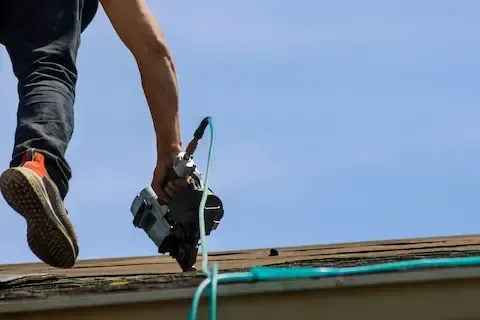
Emergency Roof Help in Jonesboro AR: 24-Hour Response
Understanding Emergency Roof Situations in Northeast Arkansas
Emergency roof situations in Jonesboro and surrounding Northeast Arkansas communities require immediate attention to prevent extensive property damage. Severe weather events, including tornadoes, hail storms, and high winds, can compromise your roof's integrity within minutes. When these situations arise, knowing how to respond quickly can mean the difference between minor repairs and major structural damage to your home.
The unpredictable weather patterns common to this region make emergency preparedness essential for every homeowner. From sudden storm cells that develop over the Mississippi River valley to the notorious tornado activity that affects Craighead County, your roof serves as the first line of defense against these natural forces.
Immediate roof emergencies typically involve active leaks, missing or damaged shingles, exposed decking, or structural compromises that allow water penetration. These situations demand swift action to minimize water damage to your home's interior, insulation, and personal belongings.
Immediate Response Steps for Roof Emergencies
When facing a roof emergency, your first priority should be ensuring the safety of everyone in your home. If water is actively entering through the roof, move valuable items away from affected areas and place containers to catch dripping water. Document the damage with photographs before making any temporary repairs, as this documentation will be crucial for insurance claims.
Contact emergency roof services immediately, even during nighttime hours or weekends. Many Jonesboro roofing companies maintain 24-hour response capabilities specifically for these urgent situations. While waiting for professional help, you can take temporary measures to minimize damage.
If it's safe to access your attic, check for signs of water penetration and place additional containers to catch leaks. However, avoid walking on wet or compromised flooring, and never attempt to access your roof during active weather conditions. Your safety takes precedence over property concerns.
For situations involving Emergency Roof Services, professional assessment becomes critical to determine the extent of damage and appropriate response measures.
Professional Emergency Tarping and Temporary Solutions
Professional emergency tarping provides crucial temporary protection while permanent repairs are planned and executed. This process involves covering damaged areas with heavy-duty waterproof materials secured with proper fastening systems. Emergency tarping must be performed by experienced professionals who understand proper installation techniques and safety protocols.
Quality emergency tarping involves more than simply throwing a tarp over damaged areas. Professionals use reinforced materials designed specifically for roofing applications, ensuring proper overlap and secure attachment points that won't cause additional damage to your roof structure.
The tarping process typically includes cleaning debris from damaged areas, assessing the extent of structural damage, and installing protective covering that extends well beyond the compromised zone. This comprehensive approach prevents water infiltration while allowing time for detailed damage assessment and repair planning.
Emergency repairs may also include temporary shingle replacement, securing loose materials, and addressing immediate safety hazards. These temporary measures buy valuable time while comprehensive repair plans are developed and materials are sourced.
Weather-Related Damage Patterns in Northeast Arkansas
Northeast Arkansas experiences distinct seasonal weather patterns that create specific types of roof damage. Spring and early summer bring severe thunderstorms with large hail, high winds, and tornadic activity. These storms can strip shingles, puncture roofing materials, and cause significant structural damage within minutes.
Hail damage presents unique challenges, as impact points may not be immediately visible but can compromise shingle integrity and lead to future leak problems. Professional assessment becomes essential to identify all affected areas and prevent long-term water damage issues.
High wind events can lift and tear shingles, creating entry points for water even when overall roof structure remains intact. These situations often require careful inspection to identify all compromised areas, as damage may extend beyond obviously affected sections.
Winter ice storms, while less common, can create significant load stress on roof structures and cause guttering problems that lead to ice dam formation and subsequent water infiltration issues.
Common Emergency Response Mistakes to Avoid
Many homeowners make critical mistakes during roof emergencies that can worsen damage or create safety hazards. Attempting to climb on wet or storm-damaged roofs ranks among the most dangerous responses. Professional roofers have proper safety equipment and training to work safely in emergency conditions.
Using inappropriate materials for temporary repairs often creates more problems than solutions. Household tarps, plastic sheeting, and improvised fastening methods typically fail to provide adequate protection and may cause additional damage when they inevitably fail.
Delaying professional assessment while relying solely on temporary measures allows minor damage to escalate into major structural problems. What appears to be a simple leak may indicate more extensive damage that requires immediate professional attention.
Failing to document damage thoroughly before making temporary repairs can complicate insurance claims and result in reduced settlement amounts. Comprehensive photographic documentation should precede any emergency response efforts.
Working with Insurance During Emergency Situations
Insurance considerations during roof emergencies require immediate attention to protect your claim and ensure proper coverage. Contact your insurance company as soon as safely possible to report the damage and initiate the claims process. Many insurers have 24-hour claim reporting systems specifically for emergency situations.
Document everything thoroughly, including initial damage, emergency response efforts, and any temporary repair measures. This documentation proves essential for claim processing and helps ensure appropriate compensation for both emergency services and permanent repairs.
Understand your policy's emergency repair coverage, as most policies allow for reasonable emergency measures to prevent additional damage. Keep detailed records of all emergency service expenses, as these costs are typically reimbursable under standard homeowner policies.
Professional roofing companies experienced in emergency response can often assist with insurance documentation and provide detailed damage assessments that support your claim. This professional documentation carries significant weight with insurance adjusters and helps ensure proper claim resolution.
For comprehensive damage assessment, consider reviewing our hail damage walkthrough to understand the detailed inspection process required for storm-related roof damage.
Professional Emergency Response Capabilities
Professional emergency roofing services in the Jonesboro area maintain specialized equipment and trained crews specifically for urgent response situations. These capabilities include 24-hour dispatch systems, emergency material stockpiles, and crews trained in safe emergency repair procedures.
Emergency response teams carry specialized tarping materials, temporary fastening systems, and safety equipment necessary for working in challenging conditions. This professional-grade equipment provides superior protection compared to improvised solutions and reduces the risk of additional damage.
Experienced emergency crews can quickly assess damage extent, prioritize immediate safety concerns, and implement effective temporary protection measures. Their training includes working safely in unstable conditions and making sound decisions about when conditions are too dangerous for emergency work.
Professional emergency services also coordinate with insurance companies and can provide detailed damage documentation that supports claim processing. This coordination helps streamline the overall repair process and reduces stress during an already challenging situation.
Long-term Considerations After Emergency Response
Emergency response represents only the first phase of addressing significant roof damage. Once immediate protection measures are in place, comprehensive damage assessment and repair planning become the next critical steps. Professional evaluation helps identify all affected areas and develop appropriate repair strategies.
Hidden damage often emerges during detailed inspection, making professional assessment essential even when emergency measures appear successful. Water infiltration may have affected insulation, decking, or structural components that aren't immediately visible but require attention to prevent long-term problems.
Repair timeline planning must consider material availability, weather conditions, and the scope of necessary work. Emergency tarping provides time for proper planning, but permanent repairs should be completed as quickly as practical to restore full roof protection.
Quality repair work addresses not only obvious damage but also upgrades vulnerable areas to better withstand future weather events. This comprehensive approach provides better long-term value and improved storm resistance for your Northeast Arkansas home.
