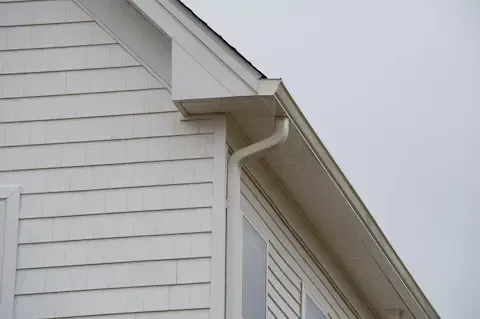
Gutter Installation in Jonesboro AR: A Walkthrough
Proper gutter installation forms the backbone of your home's water management system, directing rainfall away from your foundation, siding, and landscaping. In Northeast Arkansas, where spring storms can deliver substantial rainfall in short bursts, a well-designed gutter system prevents costly water damage and protects your property investment for decades to come.
Understanding Gutter System Components
A complete gutter installation involves several interconnected components working together to channel water effectively. The gutters themselves form horizontal troughs along your roofline, while downspouts provide vertical pathways for water to reach ground level. Hangers and brackets secure the entire system to your fascia boards, maintaining proper positioning through weather extremes common in Jonesboro's climate.
End caps seal gutter runs at corners and termination points, preventing water leakage. Inside and outside corner pieces create smooth water flow around your home's perimeter. Drop outlets connect gutters to downspouts at strategic locations, typically spacing them no more than forty feet apart for optimal drainage capacity.
Gutter guards and leaf protection systems represent optional but valuable additions, particularly for homes surrounded by mature trees common throughout Jonesboro neighborhoods. These components reduce maintenance requirements while maintaining water flow efficiency during Arkansas's heavy spring rainfall periods.
Sizing Requirements for Arkansas Weather Patterns
Gutter sizing depends on your roof's square footage, pitch angle, and local rainfall intensity measurements. Standard five-inch gutters handle most residential applications in Northeast Arkansas, accommodating typical roof areas up to 5,400 square feet when properly configured with adequate downspouts.
Six-inch gutters become necessary for larger roof areas or steeper pitches that concentrate water flow. These wider channels also prove beneficial for homes with complex rooflines featuring multiple valleys and intersections that funnel substantial water volumes into specific gutter sections.
Downspout sizing follows gutter dimensions, with three-inch round or two-by-three-inch rectangular downspouts serving five-inch gutters effectively. Six-inch gutter systems require four-inch round downspouts or three-by-four-inch rectangular alternatives to maintain proper drainage capacity during intense Arkansas thunderstorms.
Professional installers calculate precise requirements using your roof's drainage area, factoring in Jonesboro's average rainfall intensity of approximately 4.5 inches per hour during peak storm conditions. This calculation ensures your system handles even exceptional weather events without overflow or backup.
Material Selection and Performance Characteristics
Aluminum gutters dominate residential installations throughout Arkansas due to their corrosion resistance, lightweight properties, and cost-effectiveness. Available in numerous colors, aluminum systems integrate seamlessly with various architectural styles while requiring minimal maintenance over their typical twenty-year lifespan.
Seamless aluminum gutters, formed on-site using portable roll-forming equipment, eliminate joints along straight runs where leaks commonly develop. This construction method creates custom-fit installations perfectly matched to your home's dimensions while reducing potential failure points significantly.
Steel gutters offer superior strength for homes requiring enhanced durability, particularly beneficial in areas prone to ice dam formation or falling debris. Galvanized steel provides adequate corrosion protection, while coated steel systems extend service life considerably in Arkansas's humid climate conditions.
Copper gutters represent the premium choice, developing attractive patina over time while lasting fifty years or more with proper installation. Though significantly more expensive initially, copper systems add substantial aesthetic appeal and property value, particularly for historic homes in Jonesboro's established neighborhoods.
Gutter Installation projects require careful material selection based on your home's specific requirements, local weather patterns, and long-term maintenance preferences.
Critical Installation Measurements and Positioning
Proper gutter pitch ensures consistent water flow toward downspouts without creating stagnant pools where debris accumulates. Standard pitch measurements call for one-quarter inch of slope per ten feet of gutter run, creating subtle but effective drainage gradients invisible from ground level.
Fascia board attachment points require precise spacing to support gutter weight during heavy rain events. Hidden hangers, spaced every twenty-four inches maximum, provide superior holding strength compared to spike-and-ferrule systems while maintaining clean aesthetic lines.
Gutter positioning relative to your roofline affects water capture efficiency significantly. Installing gutters too low allows water to overshoot during heavy rainfall, while positioning them too high creates gaps where wind-driven rain bypasses the system entirely.
The back edge of your gutter should align approximately one inch below the extended roofline plane, ensuring optimal water collection from shingle edges and metal roofing systems. This positioning also prevents ice dam formation during Arkansas's occasional winter freeze events.
Downspout Placement Strategy
Strategic downspout locations maximize drainage effectiveness while minimizing aesthetic impact on your home's exterior appearance. Corner locations often provide ideal placement, utilizing natural architectural breaks to conceal vertical runs effectively.
Each downspout should serve no more than thirty-five to forty feet of gutter length, depending on roof pitch and local rainfall intensity. Additional downspouts may be necessary for complex rooflines or areas receiving concentrated water flow from multiple roof sections.
Ground-level drainage considerations influence downspout positioning significantly. Extensions directing water away from foundation walls prevent basement flooding and soil erosion issues common in Northeast Arkansas clay soils.
Common Installation Challenges and Solutions
Fascia board condition directly impacts gutter installation success, as rotted or damaged boards cannot support system weight reliably. Pre-installation inspection reveals necessary repairs, preventing future failures and ensuring proper attachment point integrity.
Existing soffit and trim configurations sometimes conflict with optimal gutter positioning, requiring careful measurement and occasional modification to achieve proper alignment. Experienced installers develop solutions maintaining both functionality and aesthetic appeal.
Roof edge irregularities, common in older Jonesboro homes, challenge seamless gutter formation and proper water collection. Custom fabrication techniques address these issues, creating effective installations despite architectural variations.
Tree proximity presents ongoing maintenance challenges, with overhanging branches dropping leaves and debris into gutter channels. Strategic planning during installation phase identifies potential problem areas, allowing for preventive measures or alternative routing solutions.
Underground utilities and landscaping features limit downspout extension options in many residential settings. Professional installers work around these obstacles, developing drainage solutions that protect your foundation without damaging existing site improvements.
Northeast Arkansas Climate Considerations
Spring storm patterns in the Jonesboro area generate substantial rainfall volumes requiring robust gutter systems capable of handling sudden deluges. Installation specifications must account for these seasonal weather extremes, ensuring adequate capacity during peak flow conditions.
Summer heat and humidity accelerate corrosion processes, making material selection and protective coatings particularly important for long-term system performance. Quality installations incorporate these environmental factors into design specifications from the outset.
Occasional ice formation during winter months creates expansion stress on gutter systems, requiring proper installation techniques that accommodate thermal movement without compromising structural integrity or water-tight connections.
Wind exposure varies significantly depending on your property's location and surrounding vegetation. Open areas require enhanced attachment methods, while tree-sheltered locations benefit from debris management strategies during installation planning phases.
Professional Installation vs. DIY Considerations
Professional gutter installation provides specialized tools, experience, and warranty protection that DIY approaches typically cannot match. Seamless gutter formation requires expensive equipment unavailable to most homeowners, making professional installation the practical choice for quality results.
Safety concerns associated with ladder work and roof edge exposure present significant risks for inexperienced installers. Professional contractors carry appropriate insurance coverage and safety equipment, protecting both workers and property during installation processes.
Permit requirements and local building codes in Jonesboro may mandate professional installation for certain projects, particularly when structural modifications or electrical work becomes necessary for downspout drainage systems.
Complex rooflines featuring multiple levels, dormers, or unusual architectural elements challenge even experienced DIY enthusiasts. Professional installers possess specialized knowledge addressing these complications while maintaining system performance and aesthetic appeal.
Quality control measures implemented by professional contractors include post-installation testing, adjustment procedures, and follow-up services ensuring optimal system performance from day one. These services provide peace of mind unavailable through DIY installations.
For comprehensive roofing system information, review our shingle roofing walkthrough covering complementary installation practices that work together with gutter systems for complete home protection.
Long-term Performance and Maintenance Planning
Regular maintenance schedules extend gutter system lifespan significantly while preventing minor issues from developing into costly repairs. Seasonal cleaning removes accumulated debris, while annual inspections identify potential problems before they compromise system integrity.
Proper installation techniques minimize future maintenance requirements through strategic design choices, quality materials, and attention to detail during construction phases. These investments pay dividends over your system's service life through reduced repair costs and enhanced performance.
Documentation of installation specifications, warranty information, and maintenance schedules provides valuable reference material for future service needs. Professional installers typically provide comprehensive records supporting long-term system management efforts.
Performance monitoring during heavy rainfall events confirms system adequacy and identifies areas requiring attention or modification. Early intervention prevents minor adjustments from becoming major reconstruction projects over time.
