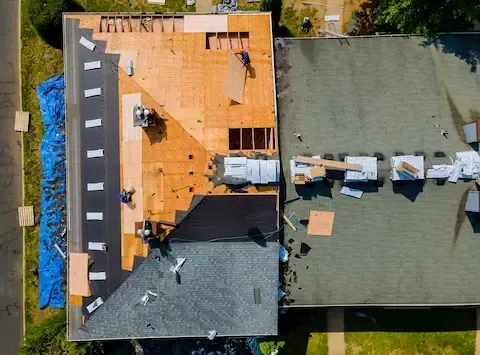
Eight Signs You Need a New Roof in Jonesboro Arkansas
If you're a Jonesboro, Arkansas homeowner wondering whether your roof needs replacing, look for these eight warning signs: curling or missing shingles, granule loss in gutters, sagging roof sections, daylight visible in the attic, water stains on interior ceilings, moss or algae growth, a roof older than 20 years, and rising energy bills. Any one of these signals aging materials that Arkansas's heat, humidity, and storm season can accelerate quickly. Catching these signs early helps you avoid structural damage and costly emergency repairs.
Is Your Roof Curling, Cracking, or Missing Shingles?
Shingles that curl at the edges or buckle in the middle are no longer lying flat against your roof deck. That gap lets wind-driven rain in—a serious problem during Jonesboro's spring storm season. Cracked shingles break down faster under the intense Arkansas summer heat, and missing shingles leave bare decking completely exposed. If you see any of these conditions across multiple areas of the roof, patching individual shingles is rarely a lasting fix. Widespread shingle failure almost always points to a full replacement need.
Are You Finding Granules in Your Gutters?
Asphalt shingles are coated with granules that protect the underlying material from UV rays and weather. As shingles age, those granules loosen and wash into your gutters during rain. If your gutters look like they're full of coarse, dark sand, your shingles are past their protective peak. Granule loss accelerates once it starts, meaning the bare spots on each shingle deteriorate faster. For Jonesboro homeowners dealing with harsh summer sun and frequent thunderstorms, granule loss shortens remaining roof life significantly.
Do You Notice Sagging Sections on Your Roof?
A sagging roofline is one of the most urgent warning signs on this list. It typically means the decking beneath the shingles has absorbed moisture and begun to rot, or that the structural supports are compromised. In Northeast Arkansas, humidity and seasonal ice can both contribute to decking failure over time. If you press on a sagging area from inside the attic and it feels soft or spongy, the damage is already structural. This is not a repair situation—sagging roofs need immediate professional evaluation and almost certainly full replacement.
Can You See Daylight Through Your Attic?
Go into your attic on a bright day and kill the lights. If you can see pinpoints or streaks of daylight coming through the roof boards, your roof has gaps that water, insects, and outside air are already exploiting. What lets in light also lets in rain. Jonesboro's spring storm season, with its heavy rainfall and occasional hail, will push water through those gaps quickly. Daylight in the attic is a clear, no-debate sign that your roof's integrity has failed in those areas.
Are There Water Stains or Mold on Your Ceilings?
Brown water stains spreading across your interior ceilings or walls tell you that moisture is making it past your roof and into your living space. By the time you see a stain, the leak has likely been active long enough to saturate insulation and begin encouraging mold growth in your attic. In Arkansas's humid climate, mold spreads fast once it takes hold. A single isolated leak might be a flashing repair, but multiple stains in different rooms almost always mean the roofing system itself has broken down.
Is Moss or Algae Taking Over?
Dark streaks and green or black moss patches are common on roofs in Northeast Arkansas because of the region's humidity and tree canopy cover. Moss is more than cosmetic—it retains moisture against your shingles and accelerates the breakdown of the granule coating underneath. Algae streaks indicate similar moisture retention. While algae can sometimes be treated with zinc strips or targeted washing, heavy moss growth that has been present for years often signals shingles that are already too degraded to hold up. For Roof Replacement evaluations, moss coverage is one of the factors a professional will examine closely.
How Old Is Your Roof?
Standard three-tab asphalt shingles carry a 20 to 25-year lifespan under ideal conditions. Architectural shingles can last 25 to 30 years. But Arkansas conditions—summer heat pushing past 95 degrees, high humidity, and regular hail and wind events—shorten those timelines. If your roof is 18 years or older and you haven't had it professionally inspected in the last two years, schedule one now. Age alone isn't a reason to replace, but age combined with any of the other signs on this list almost always tips the decision toward replacement. You can also check the 2026 cost breakdown to understand what budgeting for replacement looks like in this area.
Have Your Energy Bills Increased Without Explanation?
A deteriorating roof loses its ability to keep your attic properly ventilated and insulated. When hot Arkansas summer air pushes into your attic unchecked because of gaps, missing shingles, or failed ridge venting, your HVAC system compensates by running longer. If your cooling bills have climbed noticeably over the past two summers without any change in usage habits, your roof's thermal performance may have dropped. This sign is subtler than a visible sag or a ceiling stain, but it's a legitimate financial signal that the roof is no longer doing its full job.
What Should Jonesboro Homeowners Do Next?
If you recognize two or more of these signs on your roof, the right move is a professional inspection before your next storm season. A qualified roofing contractor in Jonesboro can assess whether repairs extend your roof's life or whether full replacement is the more cost-effective path. Acting before a failure—rather than after—keeps you in control of the timeline and the budget. Northeast Arkansas homeowners who wait until after a major storm often face contractor backlogs and emergency pricing that could have been avoided.
